
Growing awareness about sustainability and rising electricity expenses have encouraged many families to explore solar energy as a long-term solution. Unlike conventional electricity that depends on finite resources, solar power harnesses sunlight to generate clean and renewable electricity for everyday use.
For households across Nagpur and other parts of Maharashtra, abundant sunshine makes solar energy a practical investment capable of delivering financial and environmental advantages over many years.
What Is Solar Energy
Solar energy is produced by converting sunlight into electricity using photovoltaic (PV) panels. During daylight hours, these panels generate direct current electricity, which is converted into usable alternating current through an inverter.
The generated electricity powers household appliances while reducing dependence on the conventional power grid.
Why Homeowners Are Switching to Solar
Solar energy is no longer viewed as an alternative technology. It has become a mainstream solution for homes seeking lower operating costs and improved energy independence.
Common benefits include:
- Reduced electricity bills
- Cleaner energy production
- Lower carbon emissions
- Minimal maintenance
- Long equipment life
- Better energy security
As technology continues to improve, modern systems have become more efficient and affordable than earlier generations.
How a Residential Solar System Works
A standard home solar system consists of several integrated components.
Solar Panels
Panels capture sunlight and convert it into electricity.
Inverter
The inverter transforms generated electricity into a form suitable for household appliances.
Mounting Structure
The mounting system secures the panels while maintaining the correct angle for maximum sunlight exposure.
Electrical Protection Components
Safety equipment protects both the solar installation and household electrical systems.
Some homeowners also choose battery storage to use solar-generated electricity after sunset or during power interruptions.
Is Solar Energy Suitable for Every Home
Most residential buildings can benefit from solar power, although certain conditions influence overall performance.
Factors to consider include:
- Roof condition
- Roof orientation
- Available installation space
- Daily electricity usage
- Shading from surrounding structures
A professional assessment helps determine the feasibility of installation before investing in the system.
Environmental Benefits Beyond Electricity Savings
Every unit of electricity generated through solar power reduces dependence on fossil fuels.
This contributes to:
- Reduced greenhouse gas emissions
- Lower air pollution
- Conservation of natural resources
- Sustainable energy production
As more households adopt renewable energy, communities collectively reduce their environmental impact while supporting cleaner cities.
Long-Term Financial Value
Although solar installation requires an initial investment, the long-term savings often outweigh the upfront cost.
Homeowners typically benefit through:
- Reduced monthly electricity expenses
- Lower exposure to future tariff increases
- Long equipment warranties
- Increased property attractiveness
The return on investment depends on system size, electricity consumption, and overall energy usage patterns.
Choosing the Right Solar System
No two households have identical energy requirements.
Selecting an appropriate system involves evaluating:
- Current electricity bills
- Family size
- Future expansion plans
- Appliance usage
- Available roof area
Professional recommendations are generally more reliable than selecting a system based solely on advertised capacity.
The Importance of Professional Installation
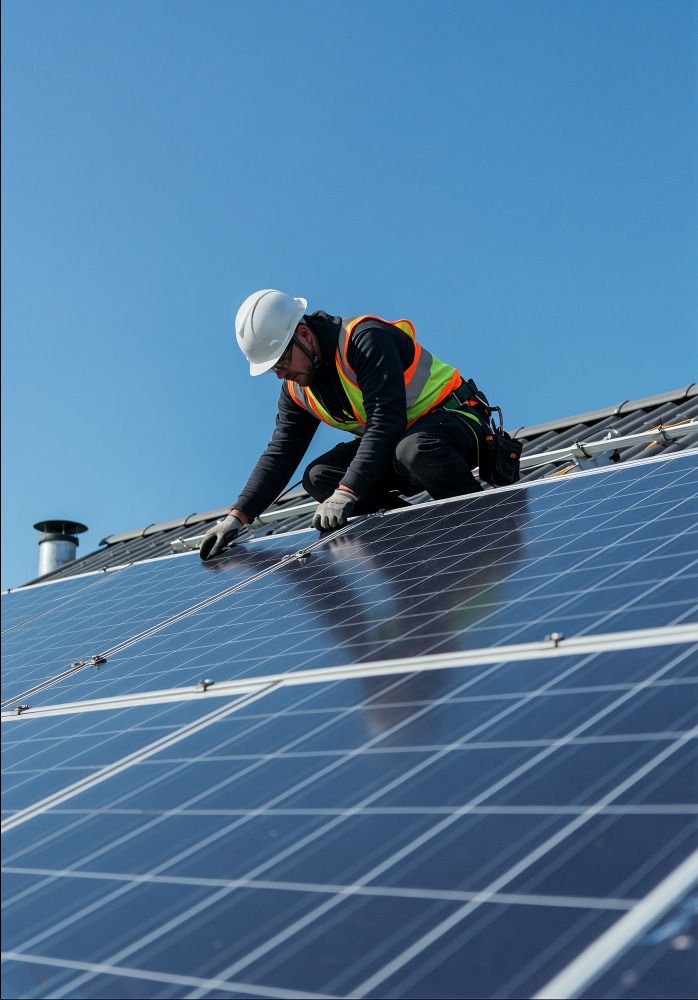
Proper installation affects both safety and long-term performance.
Qualified solar installers ensure:
- Correct panel positioning
- Secure mounting
- Efficient wiring
- Compliance with electrical standards
- Reliable system testing
For homeowners in Nagpur considering renewable energy solutions, Orange Sun Power Solutions assists customers with customized residential solar systems designed according to actual energy requirements, ensuring dependable performance throughout the system's lifespan.


