A solar quote is only as useful as the assumptions, equipment details and responsibilities behind it. Before you sign, use the installer meeting to test the proposed design, expose excluded costs and confirm who will handle approvals, commissioning and future repairs.
Key takeaways
- Share 12 months of bills, sanctioned load, roof details, and future power plans.
- Ask for panel, inverter, battery, mounting, warranty, and installation costs separately.
- Confirm who handles utility approvals, net-metering paperwork, testing, and commissioning.
- Get written maintenance duties, warranty contacts, response times, and performance commitments.
What information does the installer need before sizing the system?
Give the installer your last 12-month electricity bills, sanctioned load, phase type, roof drawings or measurements, roof age, structural details, known shadow conditions and future load plans. Ask how each fact changes the proposed system, inverter and battery size.
Request a written production model, not one system-capacity or annual-generation figure. It should identify:
- Weather-data source, system size, module orientation and tilt
- Shading assumptions at different times of day, temperature and wiring losses
- Inverter clipping and whether the result is conservative or best-case
- Annual energy used directly, exported to the grid, and curtailed or otherwise lost
A model with explicit inputs, such as those exposed by NREL’s PVWatts tool, is easier to audit. Ask which electricity tariff, fixed charges, export credit or net-metering treatment, battery operating mode, degradation assumption and financing fees appear in the savings calculation.
| Figure to request | What it shows | Why it matters |
|---|---|---|
| Self-consumption | Energy used directly on-site | Determines value without grid export |
| Export | Energy sent to the grid | Depends on credit or net-metering rules |
| Curtailment or losses | Energy not delivered or used | Reveals limits hidden by annual totals |
| Total savings | Combined financial result | Compare only after checking the inputs |
Require separate self-consumption, export and total-savings figures instead of one headline payback number.
Will the roof and electrical connection safely support the design?
1. Before the contract becomes binding, ask who will perform the roof inspection and structural strength review. Request a written record covering roof age and condition, attachment locations, waterproofing, drainage and corrosion check, safe maintenance access, and shading at different times of day. Ask which roof areas are excluded by obstructions, setbacks or fire-access paths.
2. Ask for the structural review method and a structural certificate when the authority or design requires one. Confirm what happens if the roof needs repair or replacement: removing and reinstalling the array is a separate cost unless the contract includes it. Identify who pays for repair, reroofing, or later array removal.
3. Confirm that the design suits your single-phase or three-phase supply, sanctioned load and available roof area. Ask Mahavitaran, also called MSEDCL, whether the property qualifies for net metering or gross metering, what export limit applies, and whether the project needs a meter change, main-panel upgrade, transformer study, trench or other utility work.
Put responsibility for each cost in writing.
4. Have the installer explain local electrical, fire-access and roof-setback requirements, plus the locations of isolators, earthing and lightning protection. Ask who obtains approvals and who pays if an upgrade is discovered. Do not treat the system as grid-connected until the distribution company grants permission to operate.
What must the quotation identify, and how can you compare proposals?
Reject any quote that gives only system capacity and price per watt. An itemised solar quotation lets you compare equipment, hidden fixed costs and responsibilities rather than a headline number.
Require the panel make and model, exact model number and wattage, plus:
- Module product and performance warranty terms; inverter make, model, efficiency, inverter MPPT count, operating-voltage range and ingress-protection rating.
- Mounting-structure material; cable sizes and types; DC and AC protection devices; earthing and lightning protection.
- Monitoring hardware and subscription fees; design; labour; scaffolding; taxes; approvals; commissioning; battery work; trenching; panel upgrades and future removal or reinstallation.
Compare proposals on the same warranty dimensions:
| Warranty | Ask what it covers |
|---|---|
| Module warranty | Product defects and performance degradation |
| Inverter, racking, battery and monitoring warranties | Equipment failure, replacement and subscriptions |
| Roof-penetration and workmanship warranty | Leaks, installation defects and repair period |
Ask whether warranty service includes labour, shipping, system removal and reinstallation. The module warranty and workmanship warranty are separate obligations.
For a battery, require usable energy capacity, continuous and surge power, backed-up circuits, whole-home or critical-load operation, transfer equipment, operating-temperature limits and prolonged-outage behaviour.
Ask whether employees or subcontractors handle design, roofing, electrical work and service. Request licence details, insurance and references for comparable projects. Orange Sun Power Solutions, like any installer, should be judged by these written details and exclusions, not a brand claim.
Related products
 | Commercial Solar Rooftop A commercial solar system involves the installation of solar panels on a commercial or business property to generate electricity. View product → |
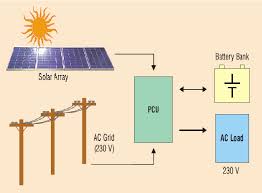 | System Intergration - On Grid We develop and commission on-grid MW scale solar power projects on turnkey basis. View product → |
Which approvals and project documents will the installer handle?
The installer must name every approval that applies to your property and identify the person responsible for obtaining it. For a Maharashtra grid-connected project, ask who submits the Mahavitaran/MSEDCL net-metering application, answers utility queries and arranges inspection or meter work. Permission to operate from the utility is separate from physical installation and local construction approval.
Ask for a written document schedule covering:
- Site survey record, roof layout, single-line diagram, structural certificate and electrical drawings
- Application forms, utility correspondence, test reports, commissioning report and warranty certificates
- Each document’s status: mandatory approval record, design record or handover document
- The delivery date for every item
Not every project needs every document. Confirm who pays application, inspection, meter-change, utility, structural and authority fees, and what happens if a main-panel upgrade, transformer study or trench appears after signing.
| Approval or document | Question to ask | Put in the contract |
|---|---|---|
| Local building, electrical or fire approval | Which approval applies, and who obtains it? | Named person and deadline |
| Net-metering application | Who submits it and handles Mahavitaran/MSEDCL queries? | Utility-inspection and meter-work responsibility |
| Structural certificate and drawings | Is each item mandatory, and when will you receive it? | Delivery date and fee |
| Unexpected utility or site work | Who pays for a panel upgrade, transformer study or trench? | Price and change-order process |
| Cancellation records | Who owns drawings, applications, paid reports and equipment? | Refundable fees and cancellation terms |
Do not assume one approval covers everything. Get all responsibilities, deadlines and cancellation terms signed before work starts.
What will happen after installation, and who remains responsible?
At handover, require proof that the system operates as designed, not merely that the panels are switched on. A monitoring app alone cannot prove that production data, consumption data, the meter and CT sensors are configured correctly.
1. Obtain the as-built layout, approved drawings, equipment serial numbers, monitoring-account access, meter and CT-sensor configuration, commissioning results, commissioning report and test reports. Ask what production level triggers an investigation, who investigates underproduction, what evidence they will review and how quickly they respond.
2. Collect separate manufacturer warranty certificates and an installer workmanship warranty. Confirm the workmanship period, exclusions, response times and coverage for installation defects, roof penetrations and water intrusion. Ask for the direct manufacturer warranty procedure and whether labour, shipping, equipment removal and reinstallation are included.
3. Put responsibility for future service in writing. Ask who handles a claim if the installer closes, changes ownership or stops serving your area, and make every sales promise part of the signed contract.
4. For an off-grid system, demand a written load inventory and seasonal energy budget showing daily watt-hours, starting and surge loads, cloudy-day autonomy, battery reserve limits, generator integration and the lowest-solar season.
For solar water heating, identify the collector, storage tank, backup heater, heat-transfer fluid or drain-back method, controls and relief devices, then ask how the design handles freezing, overheating, stagnation and pump or controller failure.
Frequently asked questions
What information should you give a solar installer before system sizing?
Provide your last 12 months of electricity bills, sanctioned load, phase type, roof measurements or drawings, roof age, structural details, shadow conditions, and future load plans. Ask how each fact changes the panel, inverter, and battery sizes.
How can you check whether your roof and electrical connection support solar?
Ask the installer to inspect the roof structure, roof age, waterproofing, available area, shade, earthing, wiring, distribution board, sanctioned load, and phase type. Request the proposed connection method and any upgrades in writing.
What should a solar quotation identify?
The quotation should list panel make and model, wattage, quantity, inverter, battery capacity if included, mounting materials, protection devices, cabling, labour, taxes, approvals, commissioning, warranties, exclusions, and payment milestones. Compare proposals using the same system scope.
Which solar approvals and documents should the installer handle?
Confirm who prepares and submits the utility application, net-metering documents, single-line diagram, test reports, commissioning records, invoices, warranty certificates, and any required inspection paperwork. Ask for copies and the expected handover date.
Who remains responsible after solar installation?
Get written details of equipment warranties, workmanship coverage, monitoring setup, maintenance tasks, fault-response times, replacement procedures, and the contact responsible for each issue after commissioning.
Related products
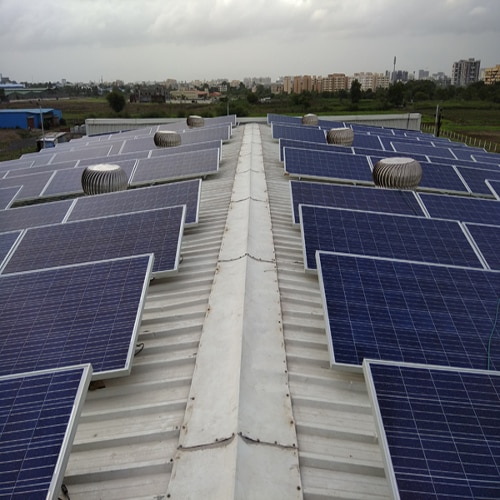 | Industrial Solar Rooftop An industrial solar rooftop project involves the installation of solar panels on the rooftops of industrial buildings or facilities to generate... View product → |
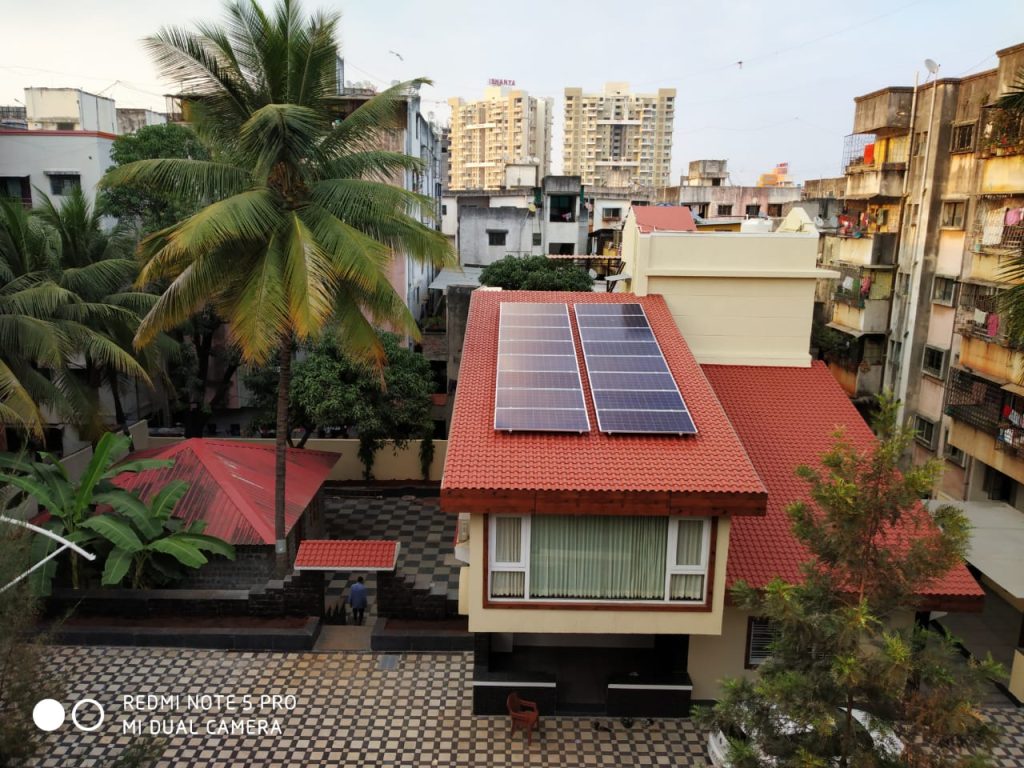 | Residential Solar Rooftop We also have the largest private solar bungalow installation and are the most advanced in constructing and maintaining Bungalow aesthetics. View product → |
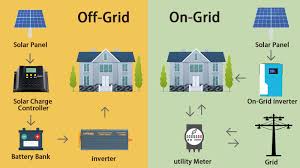 | System Intergration - Off Grid System Intergration - Off Grid We offer turnkey solutions to our customers. This entails feasibility studies, a design of demand specific systems, installation and maintenance of... View product → |