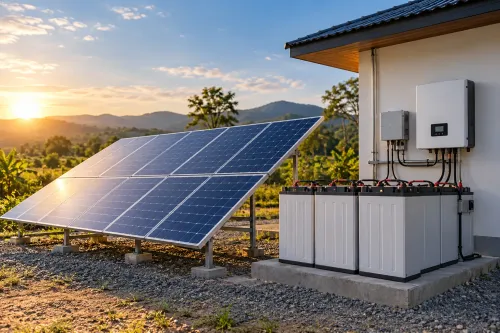


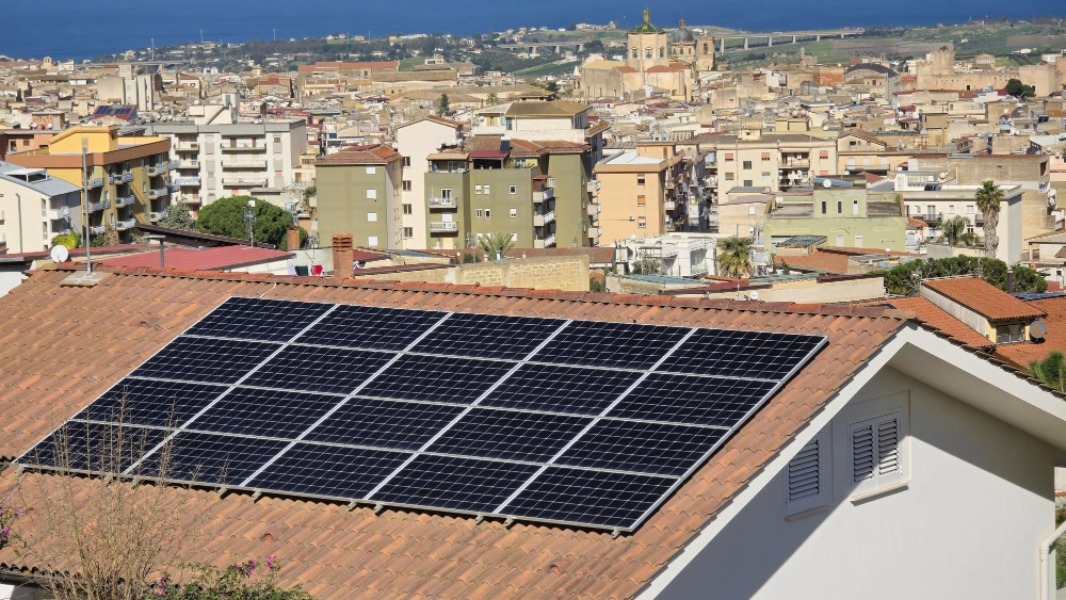
Two rooftop solar systems with similar capacities can produce different results. The difference is often caused by roof conditions, shading, panel placement, temperature, equipment efficiency, plus maintenance.
Understanding these factors can help property owners get realistic expectations from Rooftop Solar Panels.
Sunlight Availability Is Only the Starting Point
Solar panels require sunlight to generate electricity, but simply living in a sunny region does not guarantee maximum production.
Nagpur's climate offers considerable solar potential, yet every rooftop has unique conditions. Buildings, trees, water tanks, walls, utility structures, plus other obstacles can create shade at different times.
Even partial shading can influence system output depending on the design.
Panel Orientation Influences Exposure
Panel placement should be determined through site-specific planning.
Installers consider the direction of the roof, panel tilt, surrounding obstructions, available space, plus expected sunlight exposure.
Trying to fit the largest possible number of modules onto a roof without considering these factors may not produce the best practical design.
High Temperature Can Affect Performance
Solar modules generate electricity from sunlight, but their electrical performance is also influenced by operating temperature.
Nagpur experiences very hot summers. Equipment selection plus installation design should therefore consider local environmental conditions rather than focusing only on rated panel wattage.
Adequate installation practices can also support safe operation plus ventilation around the modules.
Dust Requires Attention
Dust, leaves, bird droppings, plus other deposits can reduce the amount of sunlight reaching the panel surface.
Cleaning frequency depends on site conditions. A property near heavy traffic, construction activity, industrial areas, or dusty open land may require more frequent attention than another building.
Cleaning should follow safe procedures plus manufacturer recommendations. Walking directly on modules or using unsuitable cleaning methods can damage equipment.
Inverter Efficiency Matters Too
Panels are only one part of the system.
Electricity produced by modules must pass through an inverter before it can be used by most building loads. Proper inverter sizing, compatibility, installation, ventilation, plus system configuration therefore matter.
Protection equipment, cables, connectors, plus workmanship can also influence reliability.
Monitor Actual Generation
A monitoring system helps property owners understand how their rooftop plant is performing.
Unexpected drops can indicate shading changes, dirt accumulation, inverter faults, electrical issues, or other problems.
Rather than waiting for an unusually high electricity bill, periodic generation checks can help identify potential issues earlier.
Design Around the Building
A good rooftop solar design balances generation potential with safety, access, roof use, plus future maintenance.
Orange Sun Power Solutions provides rooftop solar services for properties in Nagpur, with planning based on site conditions plus electricity requirements.
The performance of Rooftop Solar Panels cannot be judged from panel capacity alone. Roof layout, shade, climate, system engineering, equipment selection, plus ongoing care collectively determine how effectively a solar installation can convert available sunlight into usable electricity.