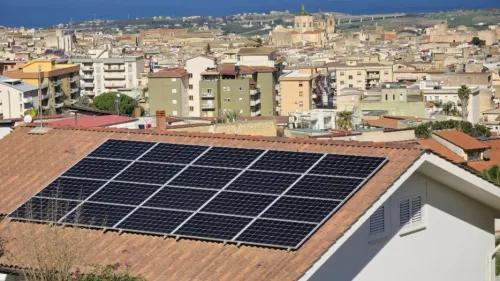


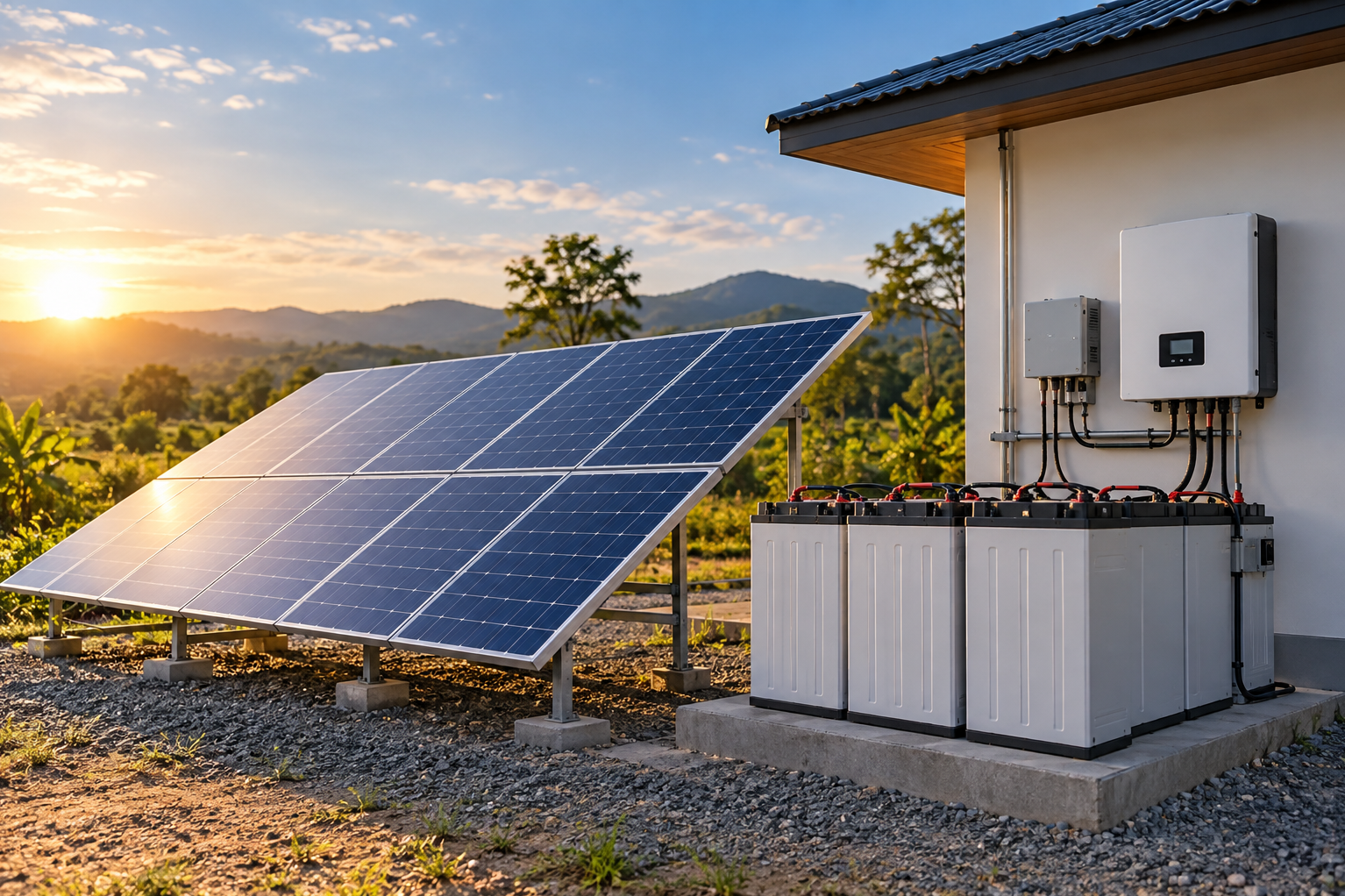
An Off-Grid Solar System operates independently of the conventional electricity grid, typically combining solar panels with battery storage plus supporting power-management equipment.
It can be useful in specific situations, but it is not automatically the best choice for every property.
Where Does Off-Grid Solar Make Sense?
Off-grid solar is particularly relevant where grid access is unavailable, unreliable, or impractical.
Possible applications include:
- Remote properties
- Farm facilities
- Isolated sites
- Rural buildings
- Selected telecom applications
- Remote monitoring installations
- Facilities requiring independent solar supply
Some properties on the outskirts of Nagpur or in other parts of Maharashtra may consider off-grid configurations where grid availability creates practical challenges.
Batteries Play a Central Role
Solar panels generate electricity during periods of usable sunlight. An off-grid property may still require electricity at night or during low-generation periods.
Battery storage helps bridge that gap.
This makes battery sizing critical. Capacity must account for expected energy consumption, required backup duration, depth-of-discharge limits, battery technology, plus charging conditions.
Selecting a battery merely on price can result in inadequate backup or unsuitable long-term performance.
Calculate Your Loads First
Before choosing system capacity, list the appliances or equipment that need power.
Consider:
- Wattage
- Daily operating hours
- Starting current for motors
- Daytime usage
- Night-time usage
- Essential loads
- Seasonal changes
A farmhouse requiring lighting plus fans has very different requirements from a facility operating pumps, refrigeration, machinery, or air-conditioning.
Understand the Cost Difference
Off-grid systems can require a larger investment than simple grid-connected solar because energy storage adds equipment plus replacement considerations.
The total budget may include modules, batteries, inverter or power-conditioning equipment, charge-management components, mounting structures, electrical protection, cabling, plus installation.
This is why an off-grid system should be selected for a genuine functional requirement rather than simply because independence from the grid sounds attractive.
Plan for Low-Sunlight Periods
Solar production is not identical every day.
Cloud cover, seasonal conditions, dust, shading, plus temperature can influence output. An off-grid system must be designed with sufficient resilience for realistic operating conditions.
For critical loads, designers may also need to consider backup strategies appropriate to the application.
When Grid-Connected Solar May Be More Practical
If a property already has dependable grid electricity plus the main objective is reducing electricity costs, a grid-connected system may deserve evaluation before committing to batteries.
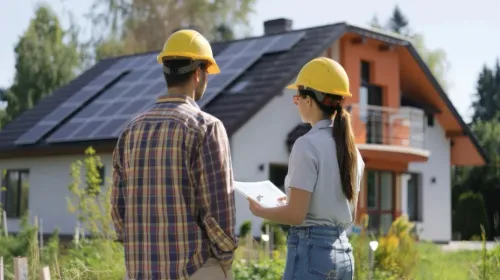
Orange Sun Power Solutions can assess properties in Nagpur based on load requirements, grid availability, rooftop conditions, plus backup expectations.
An Off-Grid Solar System is most useful when energy independence solves a real problem. Proper load calculation plus battery planning are essential because the system must provide usable electricity even when solar generation is temporarily unavailable.