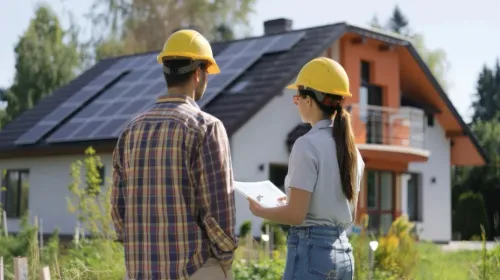


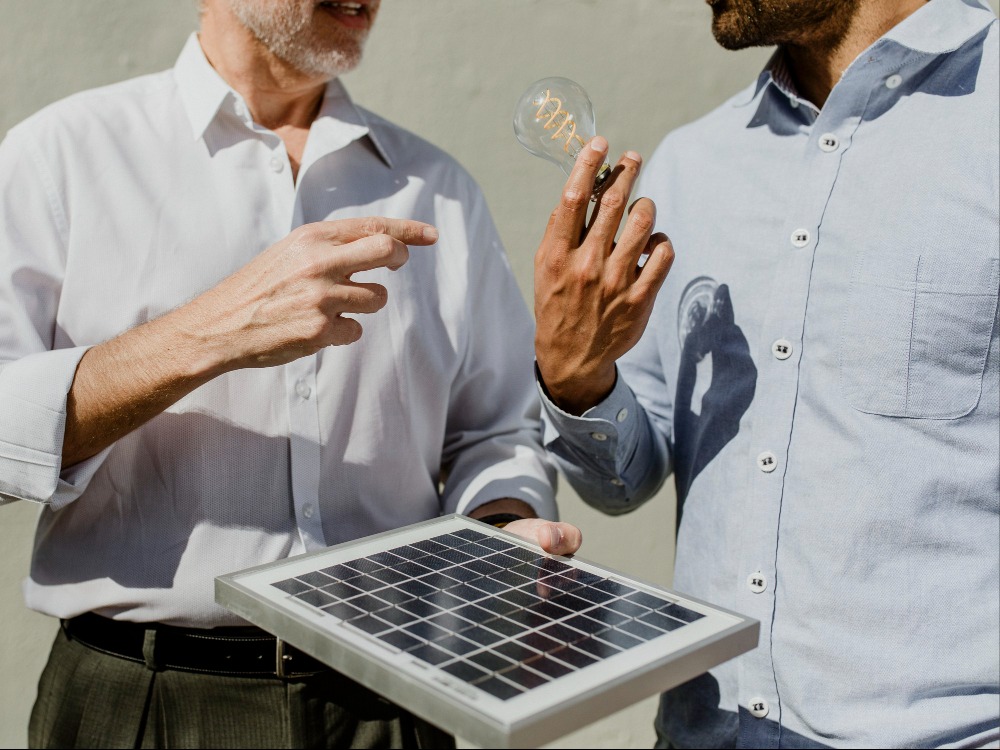
A Home Solar System converts sunlight into usable electricity for household requirements. Although the basic concept is simple, system performance depends on much more than placing solar panels on a roof.
For homeowners in Nagpur, understanding the main components can make it easier to evaluate quotations, compare system capacities, plus ask installers useful questions.
How Does a Home Solar System Work?
Solar photovoltaic panels absorb sunlight, producing direct-current electricity. An inverter converts this electricity into the form required by most household appliances.
Depending on the system configuration, generated electricity may be consumed in the home, exported according to applicable grid arrangements, stored in batteries, or managed through a combination of these approaches.
The main components can include:
- Solar PV modules
- Solar inverter
- Mounting structure
- DC cabling
- AC cabling
- Protection equipment
- Earthing arrangements
- Monitoring system
- Battery storage where applicable
Each component influences safety, reliability, plus system performance.
How Much Solar Capacity Does a Home Need?
There is no universal system size suitable for every house.
Sizing should consider historical electricity consumption, available rooftop area, daytime energy use, shading, electrical connection details, plus the homeowner's objectives.
Reviewing several months of electricity bills is a useful starting point because seasonal consumption can vary significantly.
In Nagpur, summer cooling loads can make electricity consumption noticeably different from milder periods. Using only one month's bill may therefore give an incomplete picture.
Roof Conditions Matter
Two homes with similar electricity bills may need different designs.
One may have a large unobstructed terrace. Another may have shade from nearby buildings, water tanks, trees, antennas, or other structures.
Before installation, evaluate:
- Usable roof space
- Shade throughout the day
- Roof condition
- Panel orientation
- Maintenance access
- Existing rooftop utilities
- Structural suitability
Good layout planning aims to use available sunlight effectively without making future maintenance unnecessarily difficult.
Understand the Different System Configurations
Grid-connected systems are commonly considered where reliable utility electricity is available. Battery-supported configurations may be relevant where backup is an important requirement.
Off-grid systems serve a different purpose because they are designed for situations where dependence on the utility grid needs to be reduced or avoided.
The correct configuration depends on the property rather than simply on which option appears more advanced.
Maintenance Should Be Considered Early
Solar systems generally have relatively low routine maintenance requirements, but they should not be ignored after installation.
Dust accumulation can affect panel output. Nagpur's dry periods can make appropriate panel-cleaning practices particularly relevant.
Homeowners should also monitor generation data plus arrange professional inspection if they notice unexplained performance changes, damaged wiring, inverter faults, or physical damage.
A well-planned Home Solar System begins with consumption analysis plus site assessment. Orange Sun Power Solutions supports rooftop solar planning in Nagpur based on individual property requirements, helping homeowners understand capacity, equipment, installation considerations, plus long-term system use.