
Many homeowners think about switching to solar only after receiving a high electricity bill. While rising energy costs are an important reason to explore renewable energy, there are several other signs that indicate your property may already be suitable for residential solar panels. Understanding these factors helps homeowners make informed decisions instead of delaying an investment that could provide long-term benefits.
In cities like Nagpur, Maharashtra, where sunlight is available for most of the year, residential solar systems have become increasingly practical for independent homes, villas, duplexes, and housing societies. However, every property is different, making it important to evaluate whether solar installation is the right fit.
Your Electricity Bills Keep Increasing
One of the strongest indicators that your home could benefit from solar panels is consistently rising electricity costs.
Households using multiple air conditioners, water heaters, kitchen appliances, washing machines, and home office equipment often consume significant electricity throughout the day. As consumption increases, monthly bills naturally rise.
Generating electricity through rooftop solar reduces dependence on grid power and helps offset a substantial portion of household energy consumption.
Your Roof Receives Good Sunlight
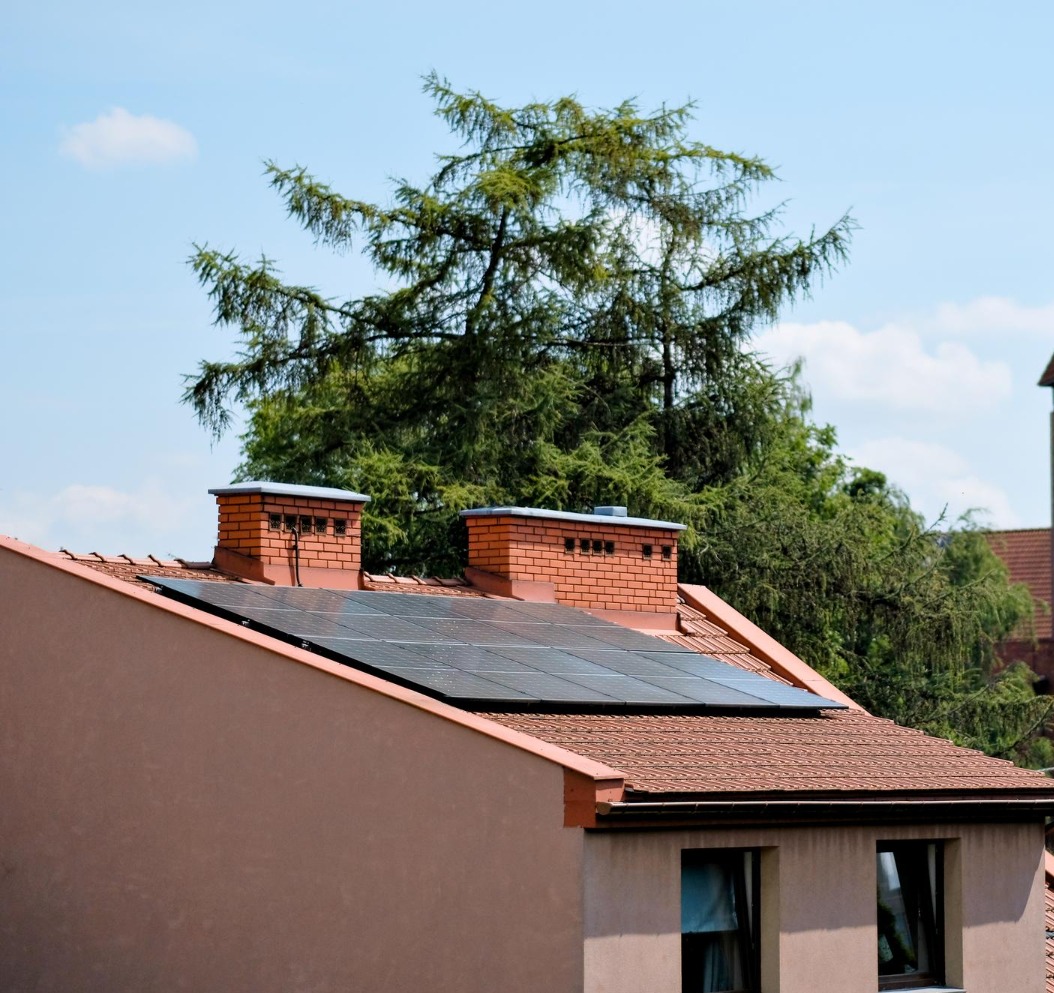
Solar panels perform best when installed in areas with unobstructed sunlight.
Your property may be suitable if:
- The roof receives direct sunlight for most of the day.
- There are limited shadows from nearby buildings or trees.
- The rooftop has enough usable space.
- The roof structure is in good condition.
A professional site inspection can accurately determine the available solar potential before installation.
You Plan to Stay in the Same Home
Residential solar panels are generally considered a long-term investment.
If you expect to live in your current home for several years, installing solar allows you to enjoy the cumulative savings generated over time. Many homeowners also find that solar installations enhance property appeal when selling their homes.
You Want Protection Against Rising Energy Costs
Electricity tariffs may increase over time due to changing energy demands and infrastructure costs.
Installing solar helps homeowners produce their own electricity, reducing dependence on external price fluctuations. This offers greater predictability when managing household expenses over the long term.
Your Household Uses More Electricity During the Day
Solar systems generate electricity during daylight hours.
Homes where family members work remotely, children study online, or household appliances operate throughout the day often gain greater value from residential solar systems because much of the generated electricity is consumed immediately.
You Are Looking for Sustainable Living
Many homeowners now prioritise environmentally responsible choices alongside financial savings.
Solar energy contributes to:
- Reduced greenhouse gas emissions
- Lower dependence on fossil fuels
- Cleaner local environments
- Sustainable energy generation
Choosing renewable energy supports both household efficiency and broader environmental goals.
Government Support Makes Installation More Attractive
Various renewable energy initiatives continue encouraging residential solar adoption. Depending on eligibility and prevailing policies, homeowners may benefit from available financial assistance that reduces the overall installation cost.
Understanding current schemes before installation allows better financial planning.
Professional Evaluation Prevents Costly Mistakes
Not every property requires the same solar system size.
A detailed assessment includes:
- Electricity consumption analysis
- Roof inspection
- Structural evaluation
- Shading assessment
- Future energy requirements
This ensures homeowners invest in a system that matches their actual usage rather than purchasing unnecessary capacity.
For residents in Nagpur exploring residential solar options, Orange Sun Power Solutions conducts site-specific evaluations to recommend systems that align with individual household energy requirements instead of offering generic installation packages.


