
Electricity costs continue to rise, encouraging many homeowners to explore cleaner and more affordable alternatives. Among the available renewable energy options, solar panels have become one of the most practical investments for residential properties. They not only reduce dependence on conventional electricity but also help create a more sustainable future while offering long-term financial savings.
For homeowners in Nagpur, where sunlight is abundant for most of the year, installing a well-designed solar system can significantly improve energy efficiency. However, selecting the right solar panels requires more than comparing prices. Understanding the different types, efficiency levels, installation requirements, and maintenance needs helps ensure that the investment delivers reliable performance for years.
Why Solar Panels Are Becoming a Popular Choice
Solar technology has advanced considerably over the last decade. Modern panels are more efficient, durable, and capable of producing higher electricity output even in varying weather conditions.
Some of the key reasons homeowners choose solar panels include:
- Lower monthly electricity bills
- Reduced dependence on grid power
- Minimal maintenance requirements
- Long operational lifespan
- Environmentally friendly energy generation
- Increased property value
These advantages make solar energy an attractive option for families planning long-term savings without compromising their daily power requirements.
Understanding Different Types of Solar Panels
Not every solar panel performs the same. The right choice depends on available roof space, budget, and electricity consumption.
Monocrystalline Solar Panels
These panels are known for their high efficiency and sleek appearance. They generate more electricity in limited space, making them ideal for smaller rooftops.
Polycrystalline Solar Panels
A cost-effective option for larger installations, these panels provide dependable performance and are widely used in residential projects.
Thin Film Solar Panels
Although lighter and flexible, thin-film panels generally require larger installation areas and are commonly used for specific commercial applications rather than typical homes.
Selecting the appropriate panel type should always consider long-term performance instead of only the initial purchase cost.
Factors That Influence Solar Panel Performance
Several elements determine how efficiently a solar system performs throughout the year.
Roof Orientation
South-facing rooftops generally receive maximum sunlight, although east and west-facing roofs can also generate satisfactory energy when designed correctly.
Shading
Trees, nearby buildings, water tanks, or other obstructions may reduce electricity production. A professional site inspection helps identify and minimise shading issues.
Local Climate
Nagpur experiences strong sunlight across most seasons, making it one of the favourable regions in Maharashtra for residential solar installations. Proper system design ensures efficient energy generation throughout the year.
Panel Quality
High-quality panels generally maintain their efficiency for decades and often include longer manufacturer warranties.
How to Estimate the Right System Size
Choosing an oversized or undersized solar system may reduce overall efficiency.
A homeowner should first evaluate:
- Average monthly electricity consumption
- Number of family members
- Future electricity needs
- Availability of roof space
- High-power appliances used regularly
Professional energy assessments help determine the most suitable system capacity without unnecessary investment.
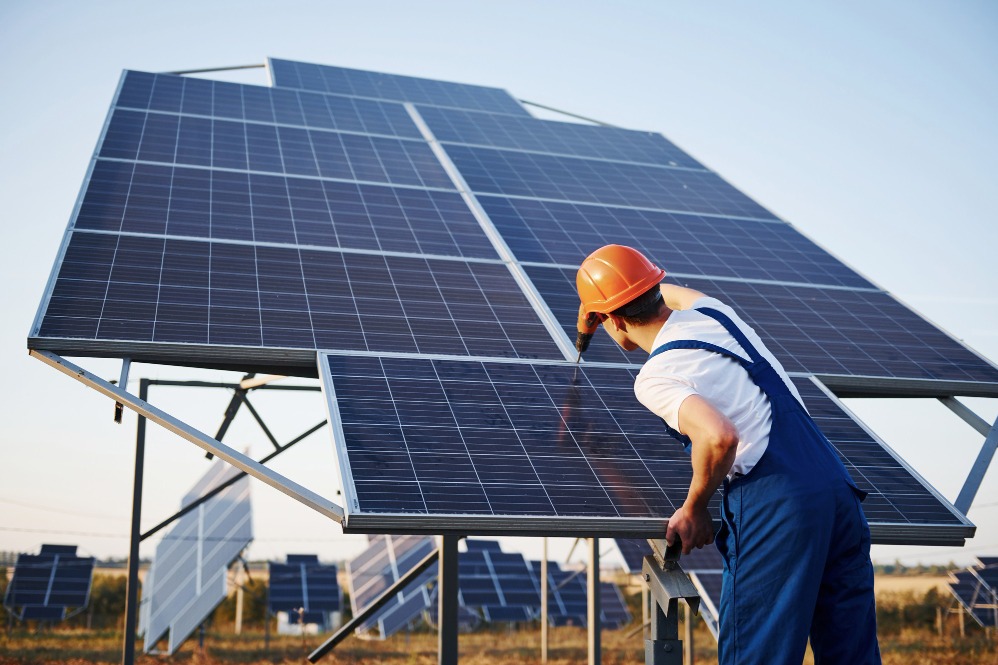
Installation Quality Matters as Much as the Panels
Even premium solar panels cannot perform efficiently if installed incorrectly.
A properly planned installation includes:
- Secure mounting structures
- Correct panel spacing
- Proper inverter selection
- Safe electrical connections
- Compliance with local safety standards
Experienced solar panel installers also ensure the system operates safely during changing weather conditions.
Maintenance Is Simpler Than Many People Expect
Solar panels require relatively little maintenance. However, periodic care helps maintain consistent energy generation.
Homeowners should:
- Remove accumulated dust and leaves
- Inspect visible wiring periodically
- Schedule professional inspections when necessary
- Monitor system performance through available monitoring tools
Keeping panels clean is particularly important in areas where dust accumulation may reduce sunlight absorption.
Government Support Encourages Solar Adoption
Residential solar projects often benefit from government initiatives designed to promote renewable energy adoption. Depending on applicable schemes and eligibility, homeowners may receive financial support that lowers installation costs.
Understanding available policies before installation allows homeowners to make better financial decisions while planning their investment.
Selecting a Reliable Installation Partner
Choosing the right installer is just as important as selecting quality equipment.
A dependable service provider should offer:
- Proper site assessment
- Transparent system recommendations
- Certified installation practices
- Quality components
- Ongoing maintenance support
For homeowners evaluating residential solar projects in Nagpur, companies such as Orange Sun Power Solutions provide complete guidance from system planning to installation and after-sales support, helping customers make informed decisions based on their energy requirements rather than one-size-fits-all recommendations.


