
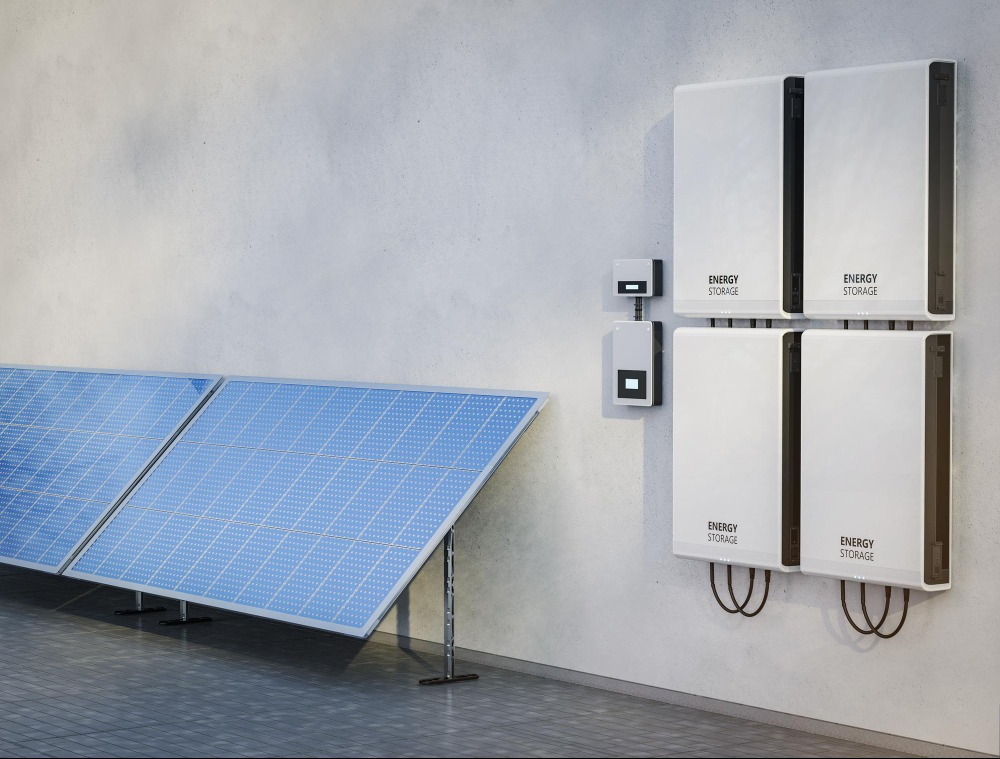
Choosing a Solar Battery for Home requires more than comparing storage capacity printed on a product specification sheet. The right battery depends on how much electricity the household needs during backup periods, which appliances must operate, how long backup is required, plus the solar system configuration.
For homeowners in Nagpur, careful load planning can prevent both overspending plus disappointing backup performance.
Start With Essential Appliances
Make a list of appliances that genuinely need backup during an outage.
Typical priority loads might include:
- Lights
- Fans
- Wi-Fi router
- Television
- Refrigerator
- Selected charging points
- Essential home-office equipment
High-power appliances can substantially increase battery requirements.
Air conditioners, water heaters, pumps, induction cooking appliances, plus other large loads should be evaluated separately rather than automatically included.
Battery Capacity Needs Context
Battery capacity alone does not tell you how long a home will receive backup.
Actual usable energy depends on battery technology, allowable discharge, system efficiency, load size, battery condition, plus inverter characteristics.
For this reason, homeowners should describe their desired backup in practical terms: which appliances need to operate plus for approximately how many hours.
Consider Battery Technology
Different battery technologies have different characteristics relating to usable capacity, cycle life, maintenance, charging behaviour, physical size, plus cost.
Instead of assuming one technology is universally superior, compare it against your intended application.
A home needing occasional emergency backup may have different priorities from a property that cycles stored solar energy frequently.
Check Compatibility
A battery must work correctly with the inverter plus overall system architecture.
If a home already has rooftop solar, do not assume any battery can simply be added later. Existing inverter type, system voltage, controls, wiring, plus protection requirements should be reviewed.
Compatibility planning is particularly important when homeowners want to upgrade an existing solar installation.
Think About Installation Conditions
Batteries should be installed in an appropriate location according to product requirements plus electrical safety practices.
Consider ventilation, temperature exposure, moisture, accessibility, cable routing, plus protection from accidental damage.
Nagpur's high summer temperatures make manufacturer-specified operating conditions particularly important.
Calculate Lifetime Value
Purchase price is important, but replacement expectations plus usable service life also affect total ownership cost.
Ask about:
- Warranty terms
- Expected cycle characteristics
- Maintenance requirements
- Usable capacity
- Installation requirements
- Monitoring capability
- Service support
Orange Sun Power Solutions can help homeowners assess solar storage requirements based on existing systems, electrical loads, plus desired backup duration.
The right Solar Battery for Home is not necessarily the largest battery available. It is the battery correctly matched to essential loads, inverter specifications, expected usage, installation environment, plus household budget.
Keywords