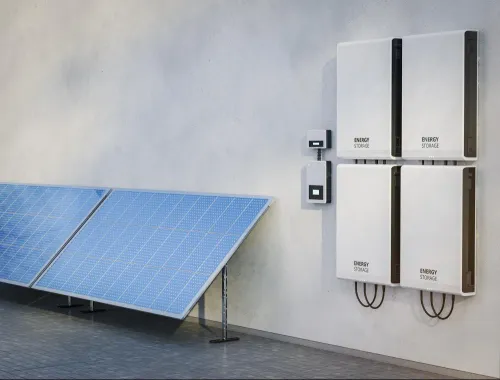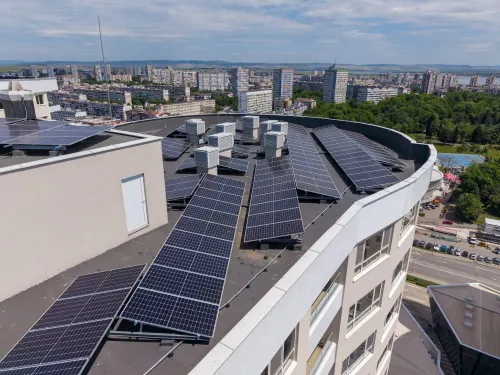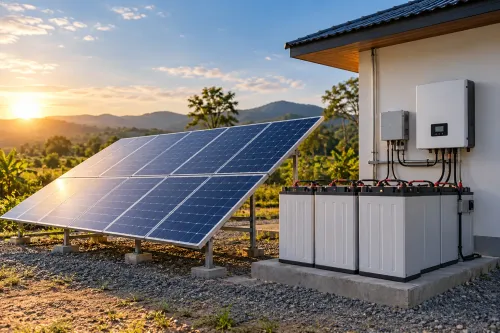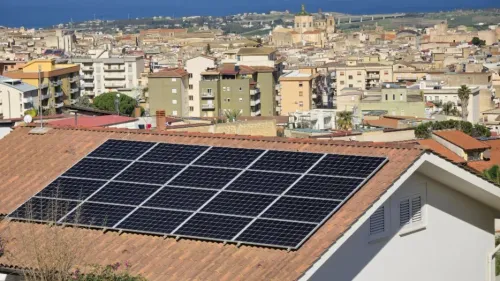
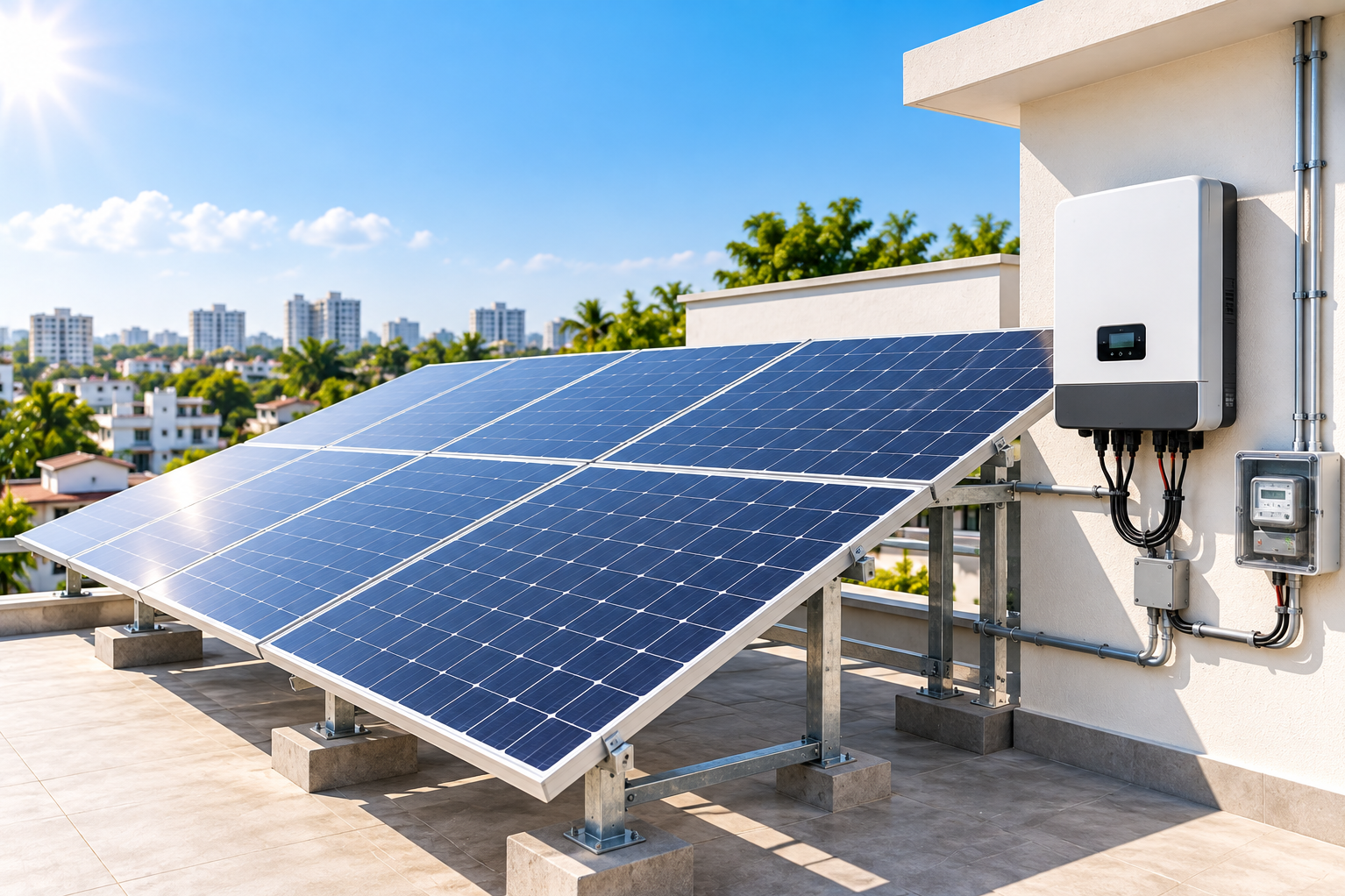
For properties with an existing electricity connection, an On-Grid Solar System is one of the commonly considered rooftop solar configurations. It generates solar electricity while remaining connected to the utility network.
Its main appeal is straightforward: use available rooftop space to produce electricity plus reduce reliance on electricity purchased from the grid.
How Grid-Connected Solar Works
During daylight hours, solar panels generate DC electricity. A solar inverter converts it into AC electricity suitable for the property's electrical system.
The generated power can contribute to active building loads. Import or export of electricity then depends on system production, consumption, metering arrangements, plus applicable electricity regulations.
Property owners should understand current local rules before assuming a particular billing outcome.
Who Should Consider This Configuration?
Grid-connected solar can be suitable for:
- Homes with regular electricity consumption
- Offices
- Shops
- Schools
- Hospitals
- Commercial buildings
- Warehouses
- Selected industrial facilities
A key factor is the property's consumption pattern.
Buildings using significant electricity during solar-generation hours can often consume a meaningful portion of their solar production directly.
Check Electricity Bills Before Selecting Capacity
System sizing should not begin with a random number of panels.
Review several months of electricity bills. Look at monthly units consumed, seasonal variation, tariff category, sanctioned load, plus patterns of daytime use.
Commercial properties in Nagpur may have substantial daytime demand, while some residences consume more electricity during evenings. These differences affect system planning.
Roof Space Can Limit Capacity
Available rooftop area needs to be evaluated carefully.
Water tanks, ventilation equipment, staircases, parapet shadows, nearby buildings, plus access pathways can reduce usable space.
A site survey allows the proposed capacity to be checked against actual installation conditions.
Understand Backup Limitations
One common misunderstanding is that every solar system automatically supplies electricity during a grid outage.
Conventional grid-connected systems typically incorporate safety mechanisms that stop feeding power under specified grid-failure conditions. Homeowners requiring backup should discuss appropriate system architecture rather than assuming ordinary on-grid solar provides uninterrupted supply.
Evaluate More Than Panel Price
When comparing quotations, review:
- Module specifications
- Inverter specifications
- Mounting structure
- Protection devices
- Cable quality
- Installation workmanship
- Monitoring features
- Warranty conditions
- Maintenance support
- Proposed generation assumptions
The lowest quotation may not represent the best long-term value if important components or services differ.
Orange Sun Power Solutions works with residential, commercial, plus institutional customers considering solar installations in Nagpur. A proper assessment can help determine whether grid-connected solar fits the property's electricity profile.
An On-Grid Solar System is most effective when system capacity, rooftop conditions, electricity consumption, equipment selection, plus applicable utility requirements are considered together.
Keywords