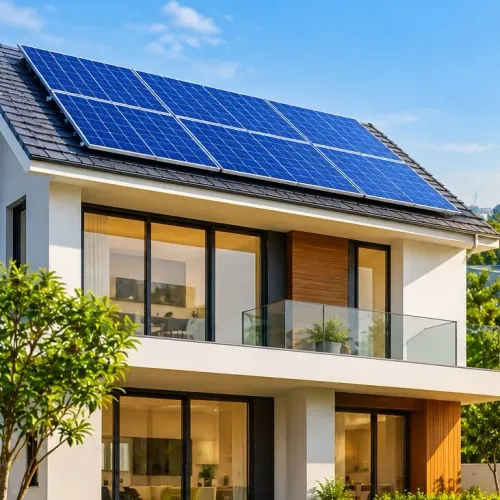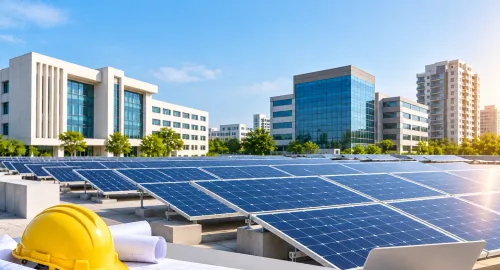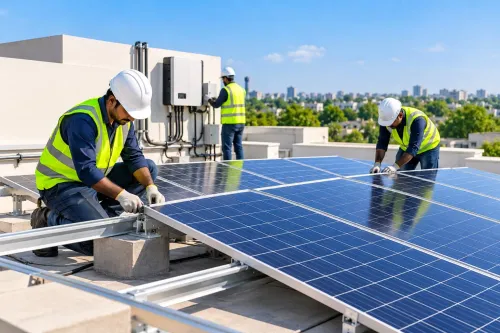
Electricity is a recurring operating expense for offices, retail facilities, warehouses, institutions, hospitality properties, plus many other businesses. A Commercial Solar Installation can help suitable properties generate part of their electricity on-site, but successful projects require careful planning before panels reach the roof.
For businesses in Nagpur, the strongest starting point is an analysis of electricity consumption.
Study the Business Load Profile
Commercial buildings often consume significant electricity during daylight hours, when solar generation is available.
This can make rooftop solar particularly relevant for businesses operating equipment such as:
- Air conditioning
- Lighting
- Computers
- Refrigeration
- Elevators
- Pumps
- Office equipment
- Commercial machinery
However, monthly consumption alone does not reveal the complete picture. Operating hours plus load patterns should also be reviewed.
Assess Available Roof Space
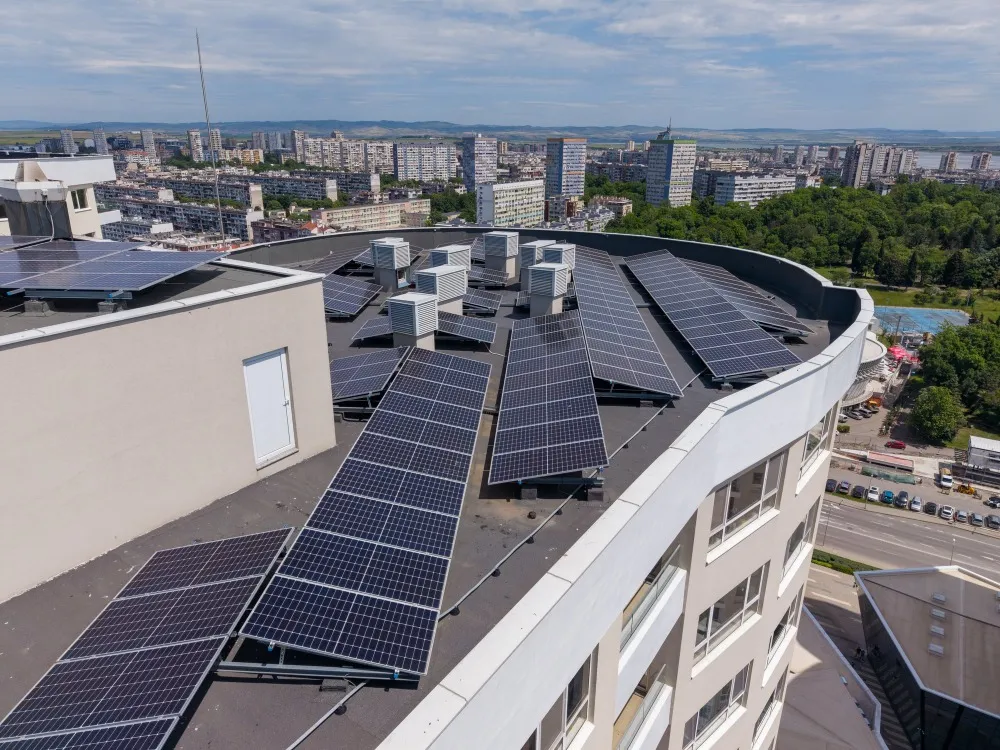
Commercial properties can have large roofs, but not all of that space is necessarily usable.
Potential constraints include HVAC equipment, water tanks, skylights, ventilation systems, fire-safety access, shaded areas, plus structural considerations.
A technical site assessment helps establish realistic solar capacity without interfering unnecessarily with existing building functions.
Examine the Electricity Tariff
Businesses should review their tariff category plus billing structure before estimating savings.
The financial impact of solar depends partly on how electricity charges are calculated plus how much solar generation can be productively used.
Simple assumptions based on residential electricity rates may produce misleading commercial ROI estimates.
Build a Realistic Financial Case
A commercial solar proposal should clearly explain expected generation assumptions, project cost, operating considerations, equipment warranties, plus estimated financial impact.
Decision-makers can evaluate metrics such as:
- Annual expected generation
- Estimated grid electricity reduction
- Capital investment
- Maintenance costs
- Indicative payback period
- Expected equipment life
Financial projections should remain conservative because actual performance depends on site plus operating conditions.
Plan Around Business Operations
Installation should also consider how work will affect the property.
Safe material movement, electrical shutdown requirements, rooftop access, working hours, plus coordination with facility teams can be important for commercial projects.
Orange Sun Power Solutions provides solar planning plus installation support for commercial properties in Nagpur. A detailed survey can help businesses understand feasible capacity before making an investment decision.
A Commercial Solar Installation should ultimately be treated as an energy infrastructure project rather than a simple panel purchase. When system sizing, roof suitability, consumption patterns, financial assumptions, plus installation quality are evaluated together, businesses can make a much more informed decision about solar adoption.
Keywords