
A low solar quotation can hide a smaller system, optimistic production assumptions, omitted roof work, weak warranties or no practical route to obtain service. By comparing technical design, equipment, approvals, workmanship, financial terms and post-installation support in the same format, you can identify which proposal delivers usable energy and dependable ownership value.
Key takeaways
- Request itemized quotes with identical system scope and site details.
- Check panel capacity, battery sizing and load calculations against your actual usage.
- Confirm equipment models, roof work, approvals and responsibility in writing.
- Compare warranty coverage, monitoring access and service response before signing.
Make Every Solar Quotation Comparable
A solar quote is comparable only when every company prices the same scope and uses the same site information. Request these documents and figures before judging the total:
1. Obtain an itemised solar quotation showing system size in kWdc, panel and inverter models, mounting structure, cabling, protection devices, taxes, approvals, installation, commissioning and exclusions.
2. Ask for the shadow analysis and generation estimate. Check predicted monthly and annual kWh, roof azimuth, tilt, weather data, shading assumptions and modeled losses. A PVWatts result provides a useful independent check.
3. Request the single-line diagram, panel and inverter datasheets, and the proposed roof-work details: attachment and flashing method, roof condition, remaining service life, and removal costs if reroofing becomes necessary.
4. For backup or off-grid systems, require the critical-load list and outage-duration calculation. It must show battery capacity and reserve, simultaneous loads, starting surges, charge-controller and inverter limits, generator integration, fuel assumptions and performance during the site’s worst solar-resource period.
5. Collect the actual product, performance, inverter and workmanship warranty documents. Confirm who pays labour and shipping for a failed component, then request the maintenance scope, monitoring arrangement and commissioning report.
6. If the proposal includes solar water heating, record collector type, tank size, freeze and overheat protection, backup heater, and maintenance duties. Without these details, a cheaper quote may simply omit work you will later pay for.
Check Whether the Design Fits Your Property and Loads
Start by checking whether the proposed system fits your property and usage, not whether its quoted system size in kWdc looks impressive. The design should relate roof area, azimuth, tilt, shading, sanctioned load, monthly bills and daytime demand.
Ask the installer to provide:
- Annual and monthly generation estimates showing weather data, shading assumptions and modeled losses. Check the inputs with NREL PVWatts rather than accepting one annual-kWh figure.
- A roof layout showing panel placement, access paths, structural fixing points and shaded areas. A larger array is not better if it fills unsafe or persistently shaded roof space.
- The inverter type and limits. A string inverter suits a roof with consistent sunlight; module-level optimization helps when roof planes have different shading. Confirm the inverter’s output against your sanctioned load and large appliances.
- For backup, a critical-load list, outage-duration calculation, battery usable capacity, continuous and surge power, minimum state of charge, transfer time and circuits that remain energized. Nominal kWh is not usable kWh, and insufficient kW can stop a pump or compressor from starting.
- For off-grid systems, worst-season solar assumptions, required autonomy, charge-controller limits, generator integration, fuel use and a cloudy-period plan. Annual averages do not keep an off-grid home running.
- For solar water heating, collector type, tank size, backup heater, freeze protection, stagnation protection and maintenance duties. Without a backup heat source, hot water can disappear during prolonged cloudy weather.
Reject a backup promise that gives only “eight hours” without naming the loads, simultaneous demand and battery reserve. Ask whether a hybrid inverter can recharge from the grid or generator when solar production is low.
Verify Equipment, Roof Work and Regulatory Responsibility
Ask for the exact panel model number and inverter datasheet, not a brochure naming only the brand and wattage. Check the panel’s certification for your market, the inverter’s grid-interconnection approval, and whether its voltage range matches the proposed string design.
For grid-connected systems in the United States, ask for the inverter’s UL 1741 listing and IEEE 1547-based approval; elsewhere, request the equivalent local certification.
Verify the company independently before signing:
- Confirm its contractor and electrical licenses with the issuing authority, then check its electrical permit history and unresolved complaints.
- Ask for current general liability and workers’ compensation insurance certificates. Call the insurer if the certificate looks expired or altered.
- Treat NABCEP certification as proof of an individual credential, not a substitute for the company’s required licenses or permits.
- Put responsibility for the electrical permit, utility interconnection application, inspections and correction of failed work in the contract.
The roof structure belongs in the installation scope. Require a written assessment of roof age, remaining service life, attachment points, waterproof flashing and load capacity; poor detailing can cause leaks long after commissioning.
If reroofing is likely, price removal and reinstallation of the array now, and name who pays when an installer’s attachment or wiring fails inspection.
Compare Warranties, Monitoring and Service Before Signing
A usable warranty identifies the covered equipment, term, exclusions, claim route and who pays labour, removal, shipping and replacement. Ask for the actual manufacturer warranty, inverter warranty and workmanship warranty; a sales-sheet promise becomes difficult to claim when it does not say whether the installer or manufacturer handles the fault.
| Coverage | Confirm in writing | Claim problem |
|---|---|---|
| Manufacturer warranty | Defect period, claim process, labour and shipping responsibility | The component is covered, but replacement costs are yours |
| Performance warranty | Degradation limit, measurement method and remedy | No agreed test proves underperformance |
| Workmanship warranty | Installation-defect term, exclusions and repair obligation | Roof leaks, loose connections or wiring damage are excluded |
| Service plan | Response time, inspection fees and coverage after business closure | The salesperson disappears and no service contact remains |
Require monitoring access in your own account, not only the installer’s portal. Check that it shows production, inverter status, alerts and historical data, and state who reviews alarms and contacts you.
Before signing, obtain:
- A commissioning report showing test results, settings, serial numbers and the date the system was handed over.
- As-built drawings, shutdown instructions, code-compliance documents and the party responsible for permission to operate.
- A written escalation path with phone and email contacts, response times, warranty-claim responsibility and service coverage if the installer closes.
Separate a Low Price from a Lower-Value Proposal
Compare total payments and usable value, not the invoice total. A financed proposal with a lower monthly payment can cost more because of interest, dealer fees, escalators and a longer term.
| Option | Cost comparison | Questions to answer |
|---|---|---|
| Cash purchase | Use the cash price as the starting figure | Does it include tax, approvals, roof work, commissioning and all equipment? |
| Solar loan | Add the loan principal, interest, origination fee and every scheduled payment | What are the prepayment terms, payment schedule and tax assumptions? |
| Lease or power-purchase agreement | Compare every payment over the contract term | Who owns the system, and what happens during transfer, buyout, roof removal or home sale? |
Compare utility value using modeled annual kilowatt-hours, not panel wattage. Check the utility tariff, fixed charges, application fees, export limit, permission-to-operate requirement and net metering or avoided-cost credit. Do not accept “bill elimination” as a guarantee; future rates, shading, consumption timing and export rules change the result.
Ask Orange Sun Power Solutions to show the tariff used in its savings model and separate expected generation from estimated bill reduction. That distinction exposes optimistic assumptions.
Finally, price the support included in each quote. Compare the maintenance scope, monitoring response, workmanship coverage, inverter replacement process and the cost of removing and reinstalling panels when the roof needs work. A cheaper system becomes expensive when those exclusions create a second labour bill.
Related products
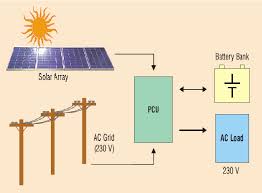 | System Intergration - On Grid We develop and commission on-grid MW scale solar power projects on turnkey basis. View product → |
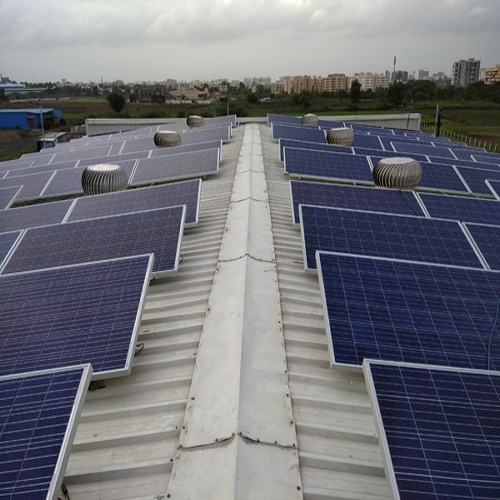 | Commercial Solar Rooftop A commercial solar system involves the installation of solar panels on a commercial or business property to generate electricity. View product → |
Frequently asked questions
How can you make solar quotations comparable?
Ask each company for an itemized quote based on the same roof, electricity-use and system-capacity information. Compare equipment, installation work, approvals, taxes, exclusions and payment terms line by line.
How do you know whether a solar design fits your property and loads?
Check the roof layout, shading, available installation area, electricity consumption and peak loads. Confirm that the proposed inverter, panels and battery capacity match your usage and future needs.
What should you verify about solar equipment and installation responsibility?
Record the panel, inverter, battery and mounting-system model numbers. Confirm who handles structural checks, roof repairs, electrical work, utility approvals, inspections and system commissioning.
What should you compare before signing a solar installation contract?
Compare product and workmanship warranties, warranty exclusions, monitoring access, maintenance terms, service contacts, response times and the process for handling failures.
Related products
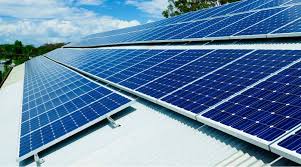 | Solar Panels We have wide range of solar panel. Solar Tie Grid System, Solar Street Light System, Solar Off Grid System, Solar Water Heater, Solar Pump. View product → |
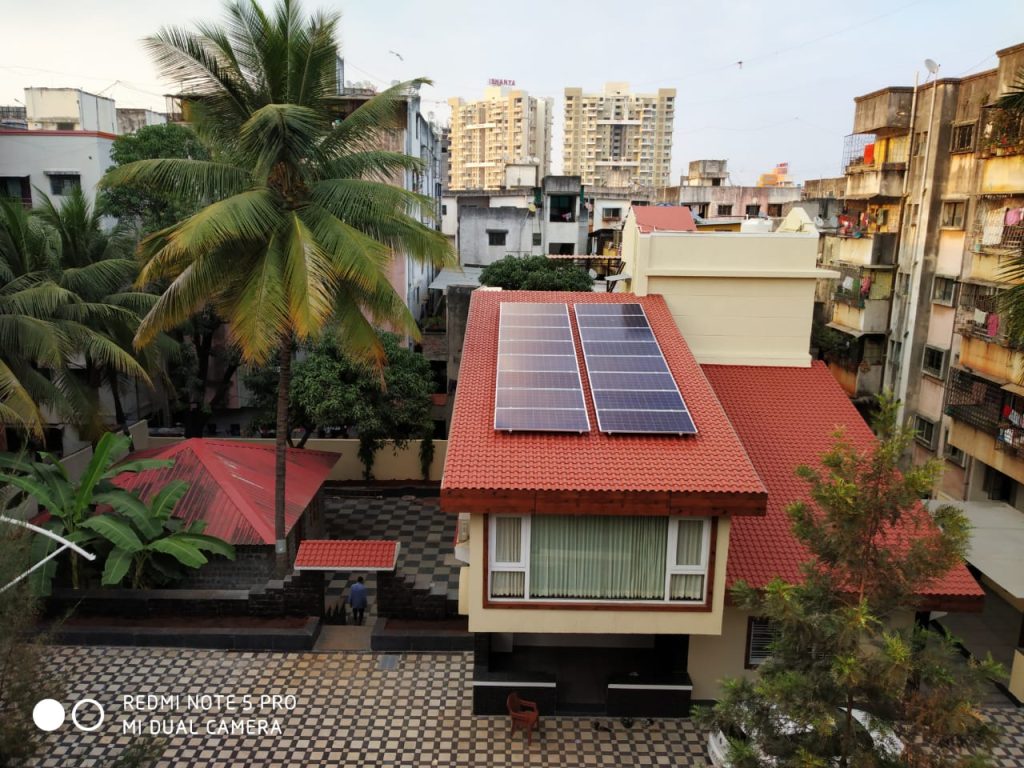 | Residential Solar Rooftop We also have the largest private solar bungalow installation and are the most advanced in constructing and maintaining Bungalow aesthetics. View product → |
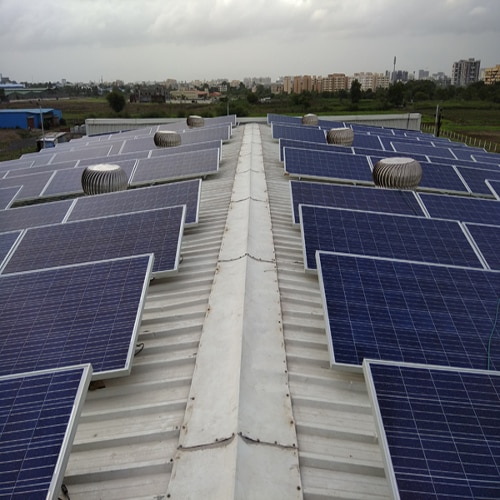 | Industrial Solar Rooftop An industrial solar rooftop project involves the installation of solar panels on the rooftops of industrial buildings or facilities to generate... View product → |