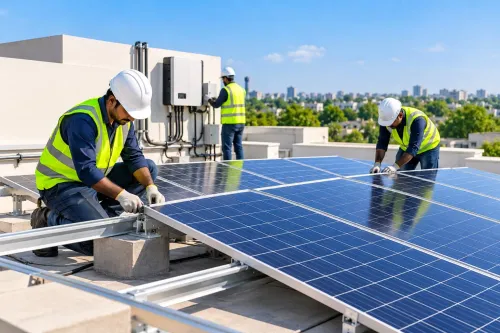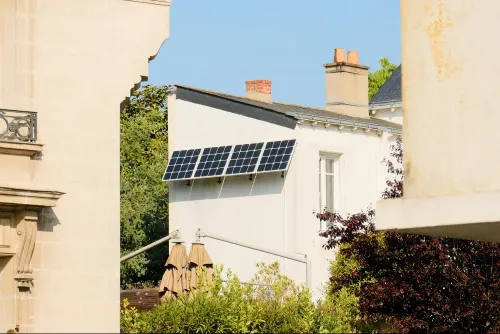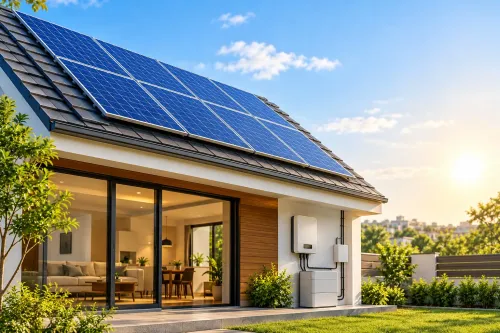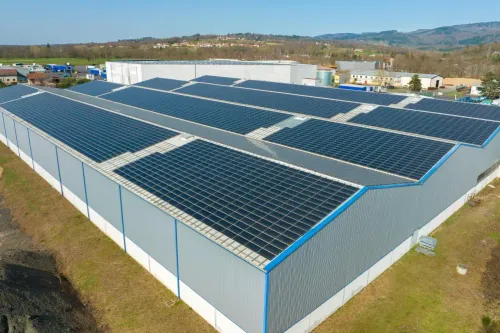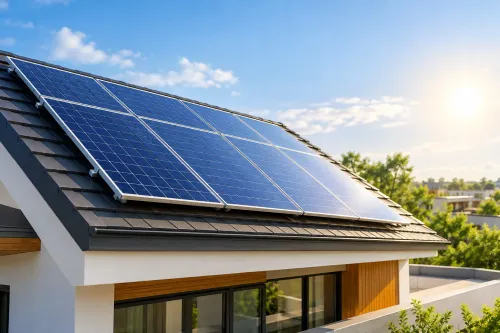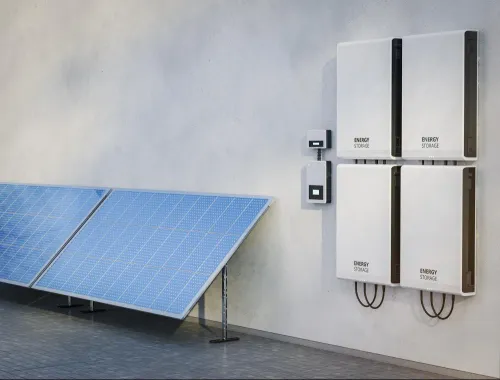
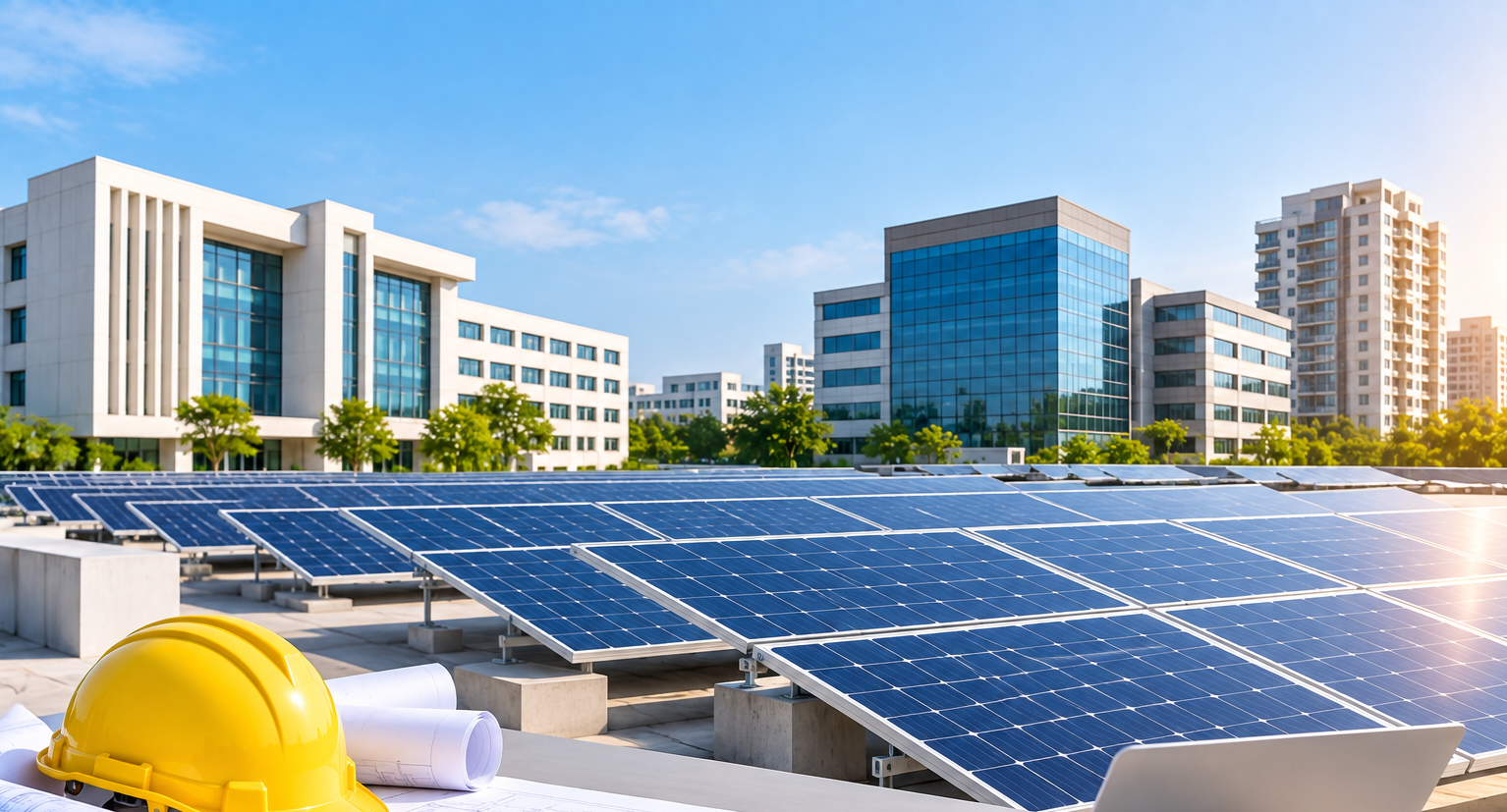
Solar Energy is increasingly relevant to property owners who want buildings to generate part of their electricity from a renewable source. For builders, educational institutions, hospitals, offices, housing projects, plus other organizations, solar planning can be particularly valuable when considered early rather than after every other building system has been finalized.
In Nagpur, rooftop sunlight can represent usable energy-producing space, but successful integration requires coordination.
Why Early Solar Planning Helps
Adding solar after a building is complete is possible, but early planning can simplify several decisions.
Design teams can consider:
- Roof allocation
- Shade from structures
- Electrical rooms
- Cable routes
- Inverter locations
- Maintenance access
- Future expansion
- Structural requirements
This can reduce conflicts with water tanks, HVAC systems, architectural elements, plus other rooftop utilities.
Institutions Have Distinct Energy Profiles
Schools, colleges, hospitals, offices, community facilities, plus similar properties do not consume electricity in the same way.
Educational campuses may have strong daytime loads but lower consumption during holidays. Hospitals can have substantial continuous electricity demand. Offices may experience predictable weekday consumption.
Solar system sizing should reflect these operational differences.
Builders Can Consider Solar During Design
For developers, solar readiness can be incorporated into project planning even before final installation decisions are made.
Roof layout, electrical distribution, service areas, plus access can be designed with future solar deployment in mind.
This can be useful for residential developments, commercial projects, institutional buildings, plus mixed-use properties across Maharashtra.
Solar Does Not Replace Energy Efficiency
Generating renewable electricity is valuable, but buildings should also use energy efficiently.
LED lighting, efficient air conditioning, sensible equipment selection, building-envelope improvements, plus operational controls can reduce overall electricity demand.
Lower consumption can influence the size plus economics of the solar system.
Evaluate Long-Term Requirements
Organizations should avoid planning solely around today's electricity bill.
Expansion, new equipment, additional occupants, longer operating hours, plus electric vehicle charging can alter future demand.
A solar design should consider foreseeable changes where practical.
Select a Provider With Planning Capability
Larger properties may require more than basic installation work. Site surveys, load analysis, engineering, component selection, electrical integration, safety planning, documentation, plus maintenance strategy all become important.
Orange Sun Power Solutions works with solar projects in Nagpur for different property categories, including organizations evaluating rooftop renewable-energy opportunities.
Effective Solar Energy planning begins with understanding how the building consumes electricity plus how its physical design can support generation. Builders plus institutions that consider these factors early can make better-informed decisions about capacity, infrastructure, investment, plus long-term operation.
Keywords